
How Does Chronic Illness Counseling in Collingswood Support Emotional Wellness?
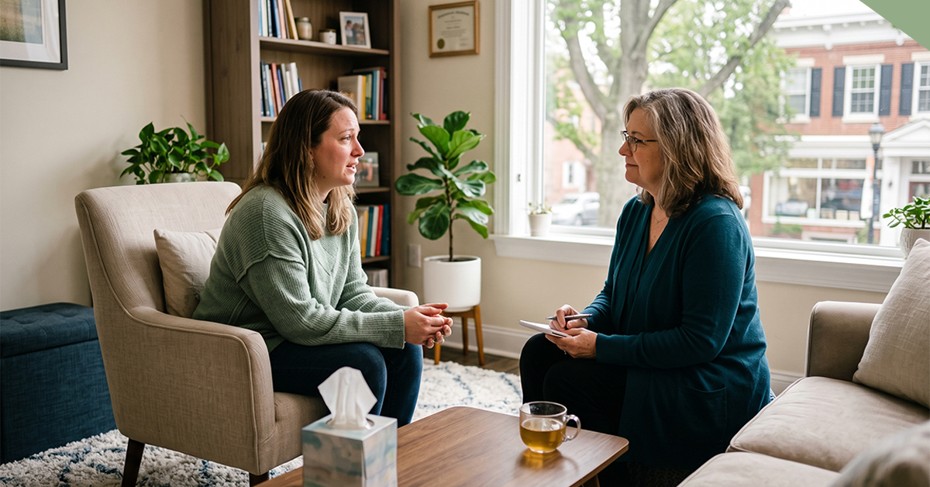
Living with a long-term health condition changes more than your body. It changes how you sleep. It changes how you plan your week. It changes how you feel about the future. The emotional weight of chronic illness is real. It deserves just as much care as the physical symptoms.
That is what we want to unpack here. We will look at what chronic illness counseling really means, how it helps your emotions, and how to find the right support.
What Chronic Illness Counseling Actually Means
Chronic illness counseling is a type of therapy made for people with long-term health conditions. This includes things like diabetes, autoimmune disorders, chronic pain, and heart disease. Chronic illness counseling in Collingswood focuses on the emotional side of illness, not just the medical side. A counselor helps you talk through feelings like fear, frustration, or grief. This kind of support works alongside your medical care. It does not replace it.
Why Emotional Support Matters So Much?
Chronic illness often brings a mix of hard feelings. You may feel anxious about the future. You may feel frustrated with your symptoms. You may feel sad about routines you had to give up. Counseling gives you a safe place to say these things out loud. It helps you process hard feelings instead of holding them in. Over time, this kind of support builds real strength for handling daily life.
How Counseling Builds Better Coping Skills
Living with a chronic condition means facing new challenges almost every day. A counselor helps you build tools to handle these challenges without feeling overwhelmed. This support often includes:
- Managing stress before it builds into a bigger problem
- Practicing calm responses during flare-ups or setbacks
- Setting small, flexible goals instead of all-or-nothing thinking
- Building daily routines that match your energy, not fight it
These skills will not remove the illness. But they change how much power it holds over your day.
How Does Counseling Improve Self-Management?
Understanding your condition helps you feel more in control. Counseling can help you make sense of medical information in a way that feels less scary. A therapist offering chronic illness counseling near Collingswood often helps clients stick with treatment plans. They also help you ask better questions at appointments and make clear choices about your care. This kind of support can boost both your mood and your physical health over time.
Strengthening Support at Home and With Loved Ones
Chronic illness can strain even close relationships. Loved ones may not know how to help. That gap can lead to frustration on both sides. Counseling often teaches you how to share your needs clearly, without guilt. This can ease tension at home. It also helps loved ones learn what real support looks like. Better communication tends to lower the loneliness that often comes with long-term illness.
Comparing Common Therapy Approaches
Different counselors use different methods. The right fit depends on your needs. Here is a simple breakdown:
| Approach | What It Focuses On | Best For |
| Cognitive Behavioral Therapy (CBT) | Shifting unhelpful thoughts | Managing anxiety or negative thinking tied to illness |
| Acceptance and Commitment Therapy (ACT) | Accepting hard feelings while chasing goals | Building a full life alongside illness |
| Solution-Focused Therapy | Practical, step-by-step problem solving | Handling specific daily challenges |
No single approach is “better” than the rest. The right one depends on your personality and what feels most natural to you.
What to Look for in a Counselor?
Not every therapist has worked with chronic illness before, and that matters. Check for a few things before you start:
- Real experience with clients managing long-term health issues
- Proper license, such as LPC, LCSW, or LMFT
- A therapy style that matches your personality
- A sense of comfort and trust after your first talk
Taking time to find the right fit can make a big difference in how much you gain from counseling.
What a Typical Counseling Journey Looks Like
Most counseling starts with a first talk about your history, your condition, and your goals. From there, sessions build slowly over time.
Early sessions often focus on naming and working through feelings tied to the diagnosis. Later sessions tend to shift toward coping tools, better talks with loved ones, and long-term goals. Progress is rarely a straight line. But small, steady steps add up over weeks and months.
FAQs
Can counseling really help with a physical illness?
Yes. Counseling does not treat the illness itself. But it can lower stress, build coping skills, and help you stick with medical treatment.
How often should someone go to chronic illness counseling?
This depends on the person. Many start with weekly sessions. The pace can shift as feelings and symptoms change over time.
Is it normal to feel guilty about needing emotional support?
Yes, this is common. Chronic illness affects your mind just as much as your body. Asking for help is a sign of strength.
Can family members join counseling sessions too?
Yes, often they can. Family involvement can improve communication. It also helps loved ones learn how to offer better support.
Does chronic illness counseling replace medical treatment?
No. It works alongside your medical care. It focuses on your emotional health, not on replacing treatment from your doctor.
Ready to Feel Supported, Not Just Diagnosed?
If you have been carrying the emotional weight of a chronic condition alone, we want you to know help is out there, and you deserve it. Living with illness is hard enough without facing the emotional side by yourself.
At Healing Quest Counseling Services, we walk alongside people managing long-term health conditions here in Collingswood. We offer a space built for honesty, patience, and real understanding. We would be glad to help you feel steadier, more supported, and more like yourself again. If this sounds like what you need, reach out today. Take the first step toward feeling truly supported.
Most Discussed

22
JUL