
How Does Addiction Counseling in Collingswood Support Recovery?
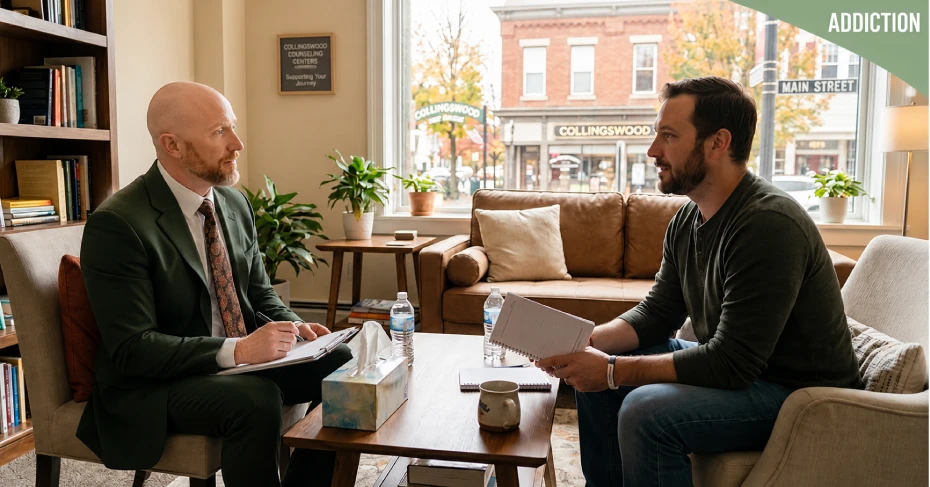
Recovery is not easy. And it rarely goes in a straight line. Maybe you have tried to stop before, and it did not stick. Maybe someone you love is struggling, and you feel helpless. Or maybe you are just starting to realize that something needs to change.
Whatever brought you here, one thing is clear: you do not have to do this alone. Addiction counseling gives you a trained, caring person in your corner. Someone who listens without judging. Someone who helps you understand yourself better and walk with you when things get hard.
How Does Addiction Affect the Whole Family?
Addiction does not just affect one person. It spreads through the whole household. Family members often carry worry, confusion, and hurt that they do not even know how to name. Trust breaks down. Communication falls apart. Some family members develop their own anxiety or stress just from living alongside addiction. Family-inclusive addiction counseling addresses all of that.
Counselors help family members understand how addiction works and why willpower alone is not enough. They create a safe space for honest conversations. They also help loved ones set healthy limits and support recovery in ways that actually help, rather than accidentally making things worse. When families heal alongside the person in recovery, the whole support system gets stronger. And that makes a real difference in long-term outcomes.
What Is Addiction Counseling?
Addiction counseling is a type of therapy. It helps people change their relationship with substances, not just quit cold turkey. That difference matters a lot. Quitting is hard because addiction is not a personal failure. It affects the brain. It ties itself to emotions, memories, and habits that have built up over time. Counseling helps you work through all of that.
A counselor helps you figure out what is driving the substance use in the first place. Is it stress? Grief? Anxiety? Old trauma that never got dealt with? Once you understand the root cause, real healing can start.
Sessions can be one-on-one, with a group, or with family members. It depends on what works best for you. Here is a simple breakdown of what addiction counseling covers:
|
Area of Focus |
What It Covers |
| Root Causes | Trauma, stress, mental health, emotions |
| Coping Skills | Healthier ways to deal with hard feelings |
| Relapse Prevention | Spotting warning signs and making a plan |
| Family Support | Rebuilding trust and improving communication |
| Future Goals | Work, relationships, and finding purpose again |
How Does a Counselor Help During Recovery?
Your counselor is not just someone you talk to. They actively guide you through the hardest parts.
- They help you spot your triggers. A trigger is anything that makes you want to use it again. It could be a certain place, person, feeling, or time of day. Once you know your triggers, you can plan instead of being caught off guard.
- They teach you real coping tools. Things like breathing exercises, mindfulness, and ways to reframe your thinking. These are practical skills you can use in real moments when cravings feel strongest.
- They hold you accountable without shaming you. Shame often makes people give up. A good counselor keeps you honest and focused while making you feel safe enough to keep going.
- They build a relationship with you. Research shows that the bond between a counselor and the person in recovery is one of the strongest predictors of success. Trust is what makes the work possible.
The 4 Stages of Addiction Recovery
Recovery happens in stages. Knowing where you are helps you see your progress, even when it feels slow.
Stage 1: Initiation. You recognize the problem and ask for help. This stage is full of mixed feelings, hope, fear, and uncertainty all at once. Counseling helps you get grounded and figure out your next step.
Stage 2: Early Recovery. Cravings are still strong here. Old habits are close to the surface. This is the most vulnerable time, and having consistent counseling support makes a big difference. Counselors often use motivational interviewing and DBT skills during this phase to help you stay steady.
Stage 3: Active Recovery. Life starts to feel more manageable. New routines are forming. Relationships are getting better. The tools from counseling start to feel natural. The focus shifts to building a healthy identity and a sense of purpose.
Stage 4: Maintenance. This stage is about protecting what you have built. Relapse prevention plans, check-ins with your counselor, and community support all help here. Many people keep seeing a counselor during this stage because the growth does not stop.
Counseling supports every single stage. It is not just a first step. It is a steady presence throughout the whole journey.
What Are the 5 C’s of Recovery Used in Addiction Counseling?
The 5 C’s are a simple way to understand what lasting recovery looks like in everyday life:
- Commitment — Choosing recovery again and again, even on the hard days
- Coping — Having tools to handle stress and cravings without turning to substances
- Community — Surrounding yourself with people who support your healing
- Consistency — Showing up for therapy and self-care, especially when you do not feel like it
- Compassion — Being kind to yourself when you stumble, because shame leads to relapse
A good counselor helps you grow in all five areas, at a pace that makes sense for where you are right now.
What Is the 3-3-3 Rule for Addiction?
The 3-3-3 rule is a simple grounding tool that many counselors teach early in treatment. Here is how it works. When a craving or anxious feeling hits, you stop and notice:
- 3 things you can see
- 3 things you can hear
- 3 things you can physically feel
That is it. The whole thing takes about 30 seconds. It works because cravings and anxiety tend to pull your mind into the future or the past. This exercise brings you back to right now. And in the present moment, you have choices. It does not make the craving disappear. But it slows it down long enough for you to choose a different response.
What Is the Hardest Addiction to Overcome?
This is a question a lot of people ask, and it deserves a real answer. Clinically, opioids, alcohol, and methamphetamine are often considered the hardest to overcome. These substances change how the brain works, especially in areas that control pleasure, decision-making, and impulse control. Withdrawal from alcohol and opioids can also be physically dangerous without medical support.
But hard does not mean impossible.
Every day, people recover from even the most serious addictions. The right combination of counseling, medical care when needed, and a strong support network makes an enormous difference. What matters most is not the substance. It has the right help in place.
Take the First Step With Healing Quest Counseling Services
Asking for help is not easy. But it might be the most important thing you ever do for yourself. At Healing Quest Counseling Services, our licensed therapists provide warm, evidence-based addiction counseling in Collingswood and Newfield, NJ. We work with individuals, couples, and families using CBT, trauma-informed care, and motivational interviewing. We meet you where you are, without judgment, without pressure, and without pretending recovery is one-size-fits-all.
You deserve support that actually feels like support. Call us at (856) 605-7332 or visit healingquestcv.com to schedule your first appointment today.
FAQs
How is addiction counseling different from regular therapy?
Addiction counseling focuses specifically on substance use, what drives it, and how to recover from it. It uses specialized tools like motivational interviewing, CBT, and relapse prevention planning that general therapy may not include.
Can someone go to counseling without entering a residential program?
Yes. Many people manage recovery through outpatient counseling alone, especially when they have a supportive home environment. A counselor can help figure out the right level of care for your specific situation.
What if I have anxiety or depression alongside my addiction?
This is very common and is called a co-occurring disorder. Counselors trained in dual-diagnosis treatment address both the addiction and the mental health condition at the same time, which leads to much better outcomes.
Does the 3-3-3 rule really help with cravings?
Yes. It is a simple grounding technique that pulls your attention back to the present moment. It does not erase cravings, but it interrupts the mental spiral long enough to make a different choice.
How long does counseling take to show results?
Most people feel meaningful shifts within the first few months of consistent sessions. Recovery is a long-term process, though. Many people continue counseling even after early recovery because the growth keeps happening.