
7 Signs Your Relationship May Benefit From Couples Counseling
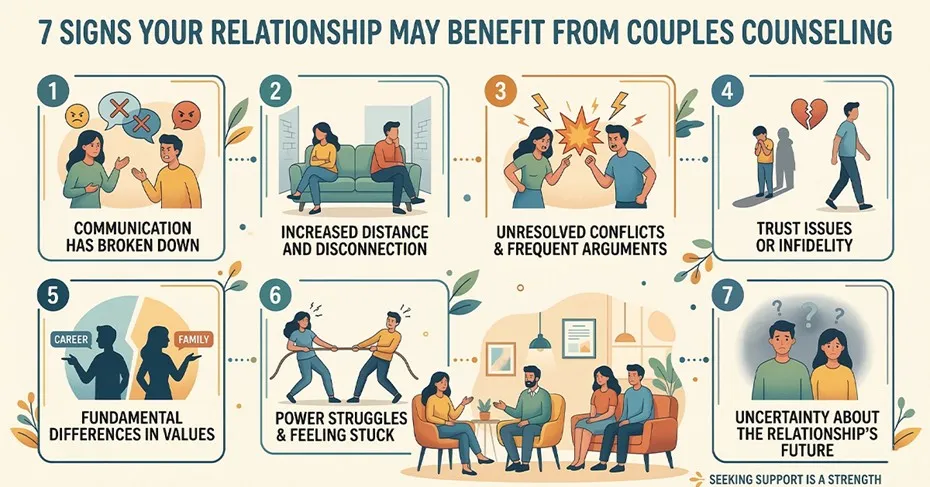
Relationships do not fall apart overnight. Most problems build slowly over time. Small hurts grow into bigger walls. Many couples wait too long before seeking help. Yet early support through counseling or even Christian relationship counseling in Collingswood can prevent deeper pain. The key is knowing when to reach out. Below are seven clear signs your relationship may benefit from professional support.
1. Are You Arguing About the Same Things Over and Over?
Do your fights feel like reruns of an old show? You argue. You cool off. Then the same issue returns next week. Nothing really changes.
This often means the root problem is not being addressed. Maybe it is about money, parenting, trust, or feeling unheard. Surface arguments usually hide deeper feelings.
How can counseling help?
- A therapist helps you slow down heated talks.
- You learn how to listen without interrupting.
- You uncover the real issue under the argument.
With steady relationship counseling, couples learn new ways to solve conflicts without hurting each other.
2. Do You Feel More Like Roommates Than Partners?
At first, couples feel close and connected. Over time, life gets busy. Work, kids, and stress take over. If you feel distant, something may need attention. You may share a home but not share your heart. Emotional distance can look like:
- Little affection or physical closeness
- Rare deep conversations
- Feeling lonely even when together
Why does this matter?
Emotional connection builds trust and safety. Without it, resentment can grow quietly. In relationship counseling, couples learn simple habits that rebuild closeness. Even small changes can bring warmth back.
3. Has Trust Been Broken?
Trust is the foundation of any healthy bond. When trust breaks, everything feels shaky. This may happen due to:
- Infidelity
- Hidden spending
- Dishonesty
- Broken promises
After betrayal, many couples feel unsure how to move forward.
Can trust really be rebuilt?
Yes, but it takes time and effort. Counseling provides a safe space to talk openly. Each partner can express hurt and ask honest questions. Step by step, trust can grow again with clear actions and steady progress. For couples who value faith, Christian relationship counseling in Collingswood can also bring spiritual guidance into the healing process.
4. Are You Avoiding Difficult Conversations?
Some couples fight loudly. Others avoid conflict completely. If you stay silent to “keep the peace,” problems may build up inside. You may fear upsetting your partner. Or you may feel your voice does not matter. Avoiding tough talks can lead to:
- Bottled-up anger
- Emotional shutdown
- Growing distance
What happens in counseling?
A counselor guides the conversation calmly. Each partner gets equal time to speak. You practice expressing needs clearly and kindly. Over time, communication becomes less scary and more productive. That is one core goal of relationship counseling.
5. Are Life Changes Causing Strain?
Major life shifts can shake even strong relationships. Common stress points include:
- Having a baby
- Moving to a new city
- Job loss
- Illness in the family
These changes bring pressure. Stress can show up as irritation or withdrawal.
Why seek help during transitions?
Counseling offers tools to adjust together instead of pulling apart. You learn how to support each other through change. Some couples find comfort blending faith with therapy. In those cases, Christian relationship counseling in Collingswood can provide both emotional and spiritual support.
6. Do You Feel Unheard or Unvalued?
Feeling unseen can hurt deeply. You may try to explain your feelings, yet your partner seems distracted or defensive. Over time, this creates resentment. You might think, “Why bother talking?” That belief can slowly weaken the bond.
How does counseling address this?
In sessions, both partners practice active listening. That means:
- Looking at each other while speaking
- Repeating back what was heard
- Responding with empathy
These small skills create big shifts. Many couples are surprised by how powerful simple changes can be.
7. Have You Thought About Separation?
If you are wondering whether to stay or leave, that is a serious sign. Thinking about separation does not mean failure. It often means you are hurting deeply. Before making big decisions, it helps to explore your feelings safely.
What can counseling offer at this stage?
- What is truly broken
- What can still be repaired
- What each partner wants moving forward
Even when couples decide to part, counseling can help them do so respectfully.
What Actually Happens in Relationship Counseling?
Many people feel nervous about their first session. That is normal.
Here is a simple step-by-step overview:
- You share your main concerns.
- The counselor listens without taking sides.
- Goals are set together.
- You practice new skills in sessions.
- You apply them at home between visits.
At Healing Quest Counseling, sessions focus on safety, honesty, and practical tools. The goal is not to assign blame. The goal is growth.
When Is the Right Time to Seek Help?
The best time is before problems feel impossible. You do not need a crisis to start. Many couples use relationship counseling as a way to strengthen their bond early. Seeking help shows commitment, not weakness. It says, “This relationship matters to us.”
FAQs
Q1) What are the signs you need relationship counseling?
Frequent arguments, emotional distance, broken trust, poor communication, or thoughts of separation are common signs. If problems repeat without change, counseling may help.
Q2) Does couples counseling really work?
Yes, many couples improve communication and rebuild trust. Success depends on honesty, effort, and willingness to change from both partners.
Q3) When should couples seek counseling?
Couples can seek help anytime. Early support often works best. You do not need to wait for a major crisis.
Q4) What happens in the first couples therapy sessions?
You share concerns and goals. The therapist listens and asks questions. Together, you create a plan for moving forward.
Q5) Is Christian relationship counseling different?
Yes, it blends therapy tools with biblical values. Couples can explore faith alongside emotional healing.
Ready to Strengthen Your Relationship With the Right Support?
If these signs feel familiar, you are not alone. Many couples face similar struggles, yet healing is possible with the right guidance. Through relationship counseling or Christian relationship counseling in Collingswood, we can work toward stronger communication, deeper trust, and renewed connection.
At Healing Quest Counseling, we are here to walk beside you with care and clarity. If you are ready to take that first step, we invite you to reach out today. Let’s begin the journey toward a healthier, more connected relationship together.