
Culturally Competent Therapy for African American Men & Women in Collingswood: What to Look For
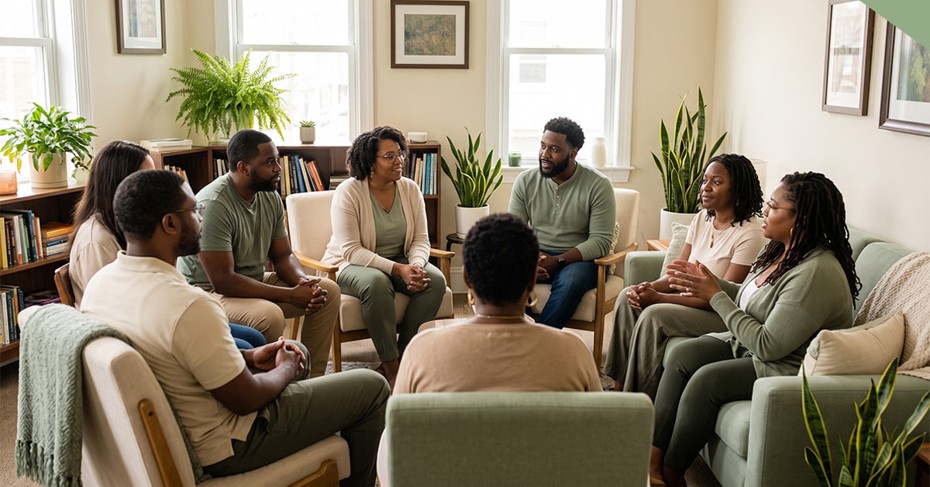
You walk into a therapy room and start explaining yourself all over again. You explain the stress of work, the weight of stereotypes, and why one comment hurt. Ten minutes in, you feel tired before the real talk begins. Finding therapy for black men in Collingswood, NJ should never feel like a second job. In this guide, we share what we have learned from years of helping people find the right fit. You can use it to choose with confidence.
What Does Culturally Competent Therapy Mean?
Culturally competent therapy means your therapist understands how race, history, and daily life shape your mental health. They do not treat your stress as a personal flaw. They know bias and unfair systems can affect your mood, your sleep, and your trust.
The American Psychological Association has long stated that therapists need cultural awareness to serve Black clients well. Federal health data also shows Black adults are less likely to get mental health care than white adults. Cost, stigma, and a shortage of culturally aware providers all play a role. When you feel understood, you open up faster. Open talk leads to real progress. That is why fit matters as much as credentials.
Green Flags to Look For
These are the signs we watch for when we help someone judge a new therapist.
- They talk about race and culture openly, without being asked twice.
- They never ask you to prove your experiences are real.
- They understand code-switching, which means changing how you speak or act to fit in.
- They see family ties and strength as supports, not problems.
- They respect your faith, your community, and your values.
- They admit what they do not know and keep learning.
Red Flags to Watch For
Some warning signs show up early. Be careful if a therapist says they are colorblind. Be careful too if they say they treat everyone the same. It sounds fair, but it ignores your real life.
Pay attention if they brush off discrimination, call you too sensitive, or seem tense when race comes up. One awkward moment is not always a deal breaker. A pattern is worth noticing.
How to Find the Right Therapist, Step by Step
Step 1: Name What You Need
Write down what is weighing on you. It might be work stress, grief, anger, family strain, or low mood. A short list helps you explain your goals on the first call.
Step 2: Use Trusted Directories
Start with Psychology Today, which lets you filter by ethnicity and concern. Therapy for Black Men and Therapy for Black Girls both list culturally aware providers. The Association of Black Psychologists is another helpful place to look. Open Path Collective can help if you need lower-cost sessions.
Step 3: Ask People You Trust
Churches, community groups, and close friends often know good providers. A warm referral can save you weeks of searching. It also gives you a first look at how others felt in sessions.
Step 4: Book a Short Consultation
Some practices offer a free first call. Use it to ask questions and see how the therapist responds. Listen to the tone as much as the words.
Step 5: Check In With Yourself After Session One
Notice how your body feels. Do you feel calm, heard, or on guard? Trust that signal, because it tells you a lot about safety. It also helps to jot down a few notes after the visit, so you can compare options later.
What Men and Women May Need From Therapy
Every person is different, so no single path fits all. Still, some patterns come up often in our work. Knowing them can help you ask better questions.
For Men
Plenty of men feel pressure to stay strong and keep pain private. Looking for therapy for African American males in Collingswood, NJ can feel risky for this reason. A good therapist makes room for anger, fear, and grief without judgment. They also help you see that asking for support is a sign of strength.
For Women
Black women often juggle work, family, and the “strong woman” label. A search for therapy for African American Women in Collingswood, NJ may start with burnout or constant worry. A skilled therapist helps you set limits and rest without guilt. They also understand how race and gender can overlap at work and at home.
Questions to Ask on Your First Call
Keep this short list handy during your consultation, whether you are seeking therapy for African American males or care for someone you love:
- How have you worked with Black clients before?
- How do you talk about racism and bias in session?
- What training in cultural awareness have you completed?
- How do you include faith, family, and community in care?
- What does a first session look like?
Online or In Person?
Online sessions widen your choices across New Jersey. Collingswood sits close to Philadelphia, so you may also find options on both sides of the river. Just make sure your therapist is licensed in New Jersey if you live here. Whether you choose therapy for African American Women in Collingswood, NJ, in person or on a screen, the same fit rules apply.
What If the Fit Is Not Right?
It is okay to switch therapists. Changing is not failure, and it often leads to better care. Tell your therapist what feels off first, since a good one will welcome that talk. If nothing shifts, move on.
How do I know if my therapist is a good fit?
You should feel heard, respected, and safe to speak freely. You should not feel judged or rushed. If you keep feeling misunderstood after a few sessions, it is fine to try someone else.
Take the First Step Toward Care That Fits
Whether you want therapy for black men in Collingswood, NJ, or support designed for women, you deserve a therapist who gets it. We want you to feel steady, heard, and respected from your very first call. At Healing Quest Counseling Services, we are here to listen, so reach out today and take that first step with us.
FAQs
What is culturally competent therapy?
It is care from a therapist who understands how culture, race, and life experience shape your mental health. They listen without judgment and respect your background. They also adjust their approach so you do not have to explain everything.
Why is it important to have a Black therapist?
Some people feel safer with a therapist who shares their background. It can reduce the need to explain lived experience. Still, a skilled, culturally aware therapist of any background can help. Trust and fit matter most.
How do I find a Black therapist near me?
Search Psychology Today with ethnicity filters, or try Therapy for Black Men and Therapy for Black Girls. You can also ask local churches and community groups for referrals. Online sessions add even more choices.
Can a therapist who is not Black provide culturally competent care?
Yes, if they have real training, stay curious, and welcome feedback. Ask how they handle race in session. Their answer will show whether they are open, honest, and ready to learn from you.
How do I know if my therapist is a good fit?
You should feel heard, respected, and safe to speak freely. You should not feel judged or rushed. If you keep feeling misunderstood after a few sessions, it is fine to try someone else.